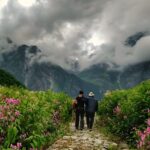
If you’ve been scrolling through Instagram reels of snow-draped Himalayan ridgelines and wondering where on earth those places are, chances are good that at least one of them was Chopta or the iconic Chandrashila summit. Tucked away in the Rudraprayag district of Uttarakhand, this little corner of the Garhwal Himalayas is quietly one of India’s most rewarding trekking destinations. And the best part? You don’t need to be a seasoned mountaineer to enjoy it. Whether you’re a college student planning your first Himalayan adventure, a couple chasing a romantic mountain escape, or a solo traveler in need of some altitude-induced clarity, the Tungnath Chandrashila trek has something extraordinary waiting for you at every step of the trail.
Over the past decade working across Himalayan destinations from the Char Dham circuit to the remote trails of Kumaon I’ve walked the path from Chopta to Chandrashila more times than I can count on both hands. Every single time, those meadows, those rhododendron forests, and that breathtaking sunrise from the summit have managed to pull something new out of me. This guide is everything I know packed into one place practical, deeply experienced, and written for the real traveler who wants to do this trek right.
Why Chopta is the Perfect Himalayan Escape
Before we get into routes, logistics, and packing lists, let’s talk about Chopta itself because this place deserves a moment of appreciation on its own. Chopta is known as the mini Switzerland of India because of its green meadows, cold breeze, and peaceful scenery.That comparison might seem like tourist brochure language, but honestly, the first time you step out into those open alpine meadows with a wall of snow-capped peaks staring back at you, you’ll understand exactly why that nickname stuck. It’s a place that has this rare quality of feeling completely untouched even as more and more travelers discover it each year.
Chopta is a small hill station in Uttarakhand comprised of meadows and evergreen forests with treks and camping, known for its beautiful sunsets. What makes it especially special is that it sits right inside the Kedarnath Wildlife Sanctuary, which means the biodiversity around you is extraordinary. On your morning walks, you might spot the Monal pheasant the national bird of Nepal glittering through the undergrowth like a flying jewel. The forest is thick with oak and rhododendron, and in spring, the entire hillside explodes in shades of red and pink that make the trail look like something out of a painting.
What Makes Chopta the “Mini Switzerland of India”?
The elevation of Chopta sits at approximately 2,680 meters above sea level, which is that sweet spot high enough to feel truly alpine, but accessible enough that you can drive up to the basecamp without needing any specialized permits or extreme acclimatization plans. The trek begins at Chopta, a small village located at an altitude of 2,680 metres. What amplifies its Swiss-like quality is the combination of open grassland (called bugyals), dense conifer forests, and the dramatic Himalayan panorama that forms the backdrop to everything. Unlike many hill stations in India that have been heavily commercialized, Chopta retains a raw, organic character. There are no malls, no traffic jams, and very little light pollution — which, by the way, makes the stargazing absolutely world-class after dark.
How to Reach Chopta — A Complete Route Guide
Getting to Chopta takes a little planning, but it’s far from impossible. The journey itself — winding through river confluences, ancient pilgrim towns, and increasingly spectacular mountain scenery is very much part of the experience. Let me break it down for you across the different modes of transport.
Reaching Chopta from Delhi by Road
Most travelers start their journey from Delhi, and a direct road trip is the most popular and flexible option. The 450-kilometer journey from Delhi to Chopta typically takes 11-13 hours depending on your chosen route and season, and locals recommend departing at 4:00 AM to avoid plains traffic and reach before sunset. The standard route follows: Delhi → Haridwar → Rishikesh → Devprayag → Srinagar → Rudraprayag → Ukhimath → Chopta. Each of these stops along the way offers something remarkable — Devprayag is where the Alaknanda and Bhagirathi rivers merge to form the mighty Ganga, and Rudraprayag is where the Mandakini joins the Alaknanda. If you’re driving yourself, a high-clearance vehicle is strongly recommended, and if you’re traveling in winter, a 4×4 with snow chains is not negotiable beyond Ukhimath.
Since there are no direct daily buses to Chopta, Ukhimath serves as the last dependable transport hub in the region. From Ukhimath, you either hire a local jeep to Chopta or, during heavy snowfall, walk the last few kilometers if the road is blocked. For those who prefer public transport, buses from Delhi ISBT Kashmiri Gate run overnight to Rishikesh, Haridwar, and Rudraprayag after which you take a shared jeep or taxi for the final leg. It’s a two-stage journey, but it’s absolutely doable on a budget.
Reaching Chopta by Train and Air
The nearest railway station to Chopta is Haridwar, situated 226 km away, which is well-connected by railway networks with major cities of India. Trains like the Shatabdi Express and various overnight expresses from Delhi take around 4-6 hours to reach Haridwar, making this a reliable and affordable entry point for most travelers. From Haridwar, your journey to Chopta continues by road, typically taking another 7-8 hours depending on traffic and the season. Rishikesh is slightly closer at around 202 km and is also a popular departure point, particularly for those who want to spend a day or two acclimatizing in the spiritual capital before heading into the mountains.
Flights from Delhi to Dehradun take about an hour, and from Dehradun airport, you can hire a private taxi directly to Chopta, which takes around 7-8 hours the fastest overall option for those short on time. Jolly Grant Airport in Dehradun is well-connected with major Indian cities and is a good option if budget allows. One important tip: always carry sufficient cash before leaving Haridwar or Rishikesh, because ATMs are practically non-existent in Chopta and its surroundings.
From Rishikesh/Haridwar to Chopta
Hiring a private taxi is the most convenient and common way to reach Chopta from Rishikesh (approximately 165 km, 5-6 hours) or Haridwar (approximately 200 km, 6-7 hours). Shared jeeps are also available from major taxi stands in Rishikesh, particularly from the stand near the ISBT, and they cost significantly less per head if you’re flexible with timing. The ride itself passes through some of the most breathtaking stretches of river valley in the entire Himalayan belt. Keep your camera ready around Devprayag and Rudraprayag — the river confluences here are genuinely stunning, especially in the soft light of early morning or late afternoon.
Where to Stay in Chopta — Accommodation Options for Every Budget
One of the most common questions I get from first-time visitors is whether Chopta has decent places to stay. The answer is yes — but with a caveat: Chopta is not a luxury destination. It is a nature destination, and its accommodation reflects that beautifully rustic reality. Hotel prices in Chopta range from ₹800 to ₹8,000 per night depending on the type of accommodation and season, and advance booking is recommended during peak seasons like May–June and September–October. The good news is that the variety of options available today is far greater than it was even five years ago, with Swiss tented camps, eco-cottages, guesthouses, and government bungalows all competing for your booking.
Swiss Camps and Glamping in Chopta
The most popular accommodation experience in Chopta, especially for first-timers and couples, is staying in a Swiss camp — and for good reason. These tented camps typically sit in open meadow clearings with panoramic mountain views, and waking up inside a warm sleeping bag to the sight of snow-capped peaks glowing in the first light of dawn is one of those experiences that no five-star hotel can replicate. Since there’s only one government guest house in Duggalbitta, Chopta mainly provides Swiss Camps for tourists, meaning visitors have choices when it comes to accommodation. Popular camp options in the area include Rudra Camp Chopta, Paradise Adventure Camp, Magpie Camp-Resorts, and Chopta Meadows Heritage Camps, each offering its own spin on the outdoor living experience with bonfire evenings, home-cooked Garhwali meals, and guided trek support.
Swiss camps and tent accommodations are popular options in Chopta, and most hotels and camps provide basic vegetarian meals and local cuisine. Don’t expect Wi-Fi to be reliable or room heaters to be guaranteed — but do expect warm blankets, hot chai at sunrise, and the kind of silence that city dwellers genuinely forget is possible. If you’re traveling in a group of four or more, camping costs come down significantly per person, and many operators offer packages that bundle the camp stay, meals, and a guided trek to Tungnath or Chandrashila.
Budget Hotels, Guesthouses, and Homestays
For those who prefer a solid roof over their head, Chopta offers many options ranging from basic camping facilities to comfortable hotels for visitors planning a trekking experience or quality retreat away from busy towns.Established properties like Himrab Chopta Resort, Hotel First View, The Bunker House, and Buzz Eco Resort Chopta offer proper rooms with attached bathrooms and basic amenities powered by solar energy. Homestays in nearby villages like Mastura, Sari, and Makkumath are a wonderful alternative if you want a deeper cultural experience you’ll eat home-cooked dal-roti, sleep on proper beds, and likely end up having long conversations with local families about life in the mountains. Main Chopta, Dugalbitta, and Baniyakund are the best areas for accommodation. If Chopta itself is fully booked (which can happen during long weekends in May and October), the town of Ukhimath about 35 km away has several decent hotels and is a perfectly reasonable base for day trips to the trailhead.
Trekking from Chopta to Tungnath — Trail Details and What to Expect
Here’s where things get genuinely exciting. The Tungnath trek is short in distance but immense in experience. The trek from Chopta to Tungnath spans 3.5 km and is considered moderately difficult — for beginners, it typically takes 2-3 hours to complete, but experienced trekkers or those with good stamina can reach Tungnath in under 90 minutes. The trail is a cemented stone path for the most part, which makes it accessible even for older trekkers and families with children. But don’t let the paved surface fool you into complacency — the ascent is relentlessly uphill, gaining over 1,000 meters in altitude, and at that elevation, even the fit among us need to slow down and breathe.
The trailhead begins right from the Chopta market area, and about 100 meters into the climb from Chopta is where you’ll find the forest checkpost, where you can obtain the trekking slip by paying a fee — ₹150 for an adult, ₹600 for a foreigner, and free for children below 5 — valid for three days.This is also where you’ll notice the forest thicken around you, with massive rhododendron trees forming a canopy overhead, their gnarled roots anchoring into the mountain slope. In spring, those trees are absolutely ablaze with red blossoms, and walking through them feels vaguely surreal — like someone has lit lanterns in the forest and forgotten to put them out.
The Spiritual Significance of Tungnath Temple
Tungnath Temple, situated at an altitude of 3,680 meters (12,073 feet), is not only the highest Shiva temple in the world but also one of the Panch Kedar temples. The mythology surrounding this place runs deep. According to legend, after the Kurukshetra war, the Pandavas sought Lord Shiva’s forgiveness and his divine blessings. Shiva, reluctant to bless them, disguised himself as a bull and hid among the peaks of Garhwal. When the Pandavas discovered him, different parts of his body appeared at five different locations and Tungnath is the site where his arms (tunj) were found. Magnificent in its architecture and artistic structure, Tungnath Mahadev Temple is considered to be more than 1,000 years old, and the temple was discovered by Adi Shankaracharya. The spiritual energy here is palpable even if you’re not religious, spending time in the peaceful precincts of this ancient shrine, surrounded by silence and mountain air, is genuinely moving.
From Tungnath to Chandrashila Summit — The Final Push
Once you’ve offered your prayers at Tungnath, the real adventure begins. The path from the temple to the Chandrashila summit is about 1.5 km and is considerably steeper and less paved than the trail you just walked. The Chandrashila Peak is at an altitude of 4,000 meters above sea level and offers perfect panoramic views of remarkable peaks such as Kedarnath, Mandani, Chaukhamba, Nanda Devi, Nanda Ghunti, Hathi, and Ghodi. The trail passes through dwarf rhododendron shrubs and rocky terrain, and as you climb higher, the vegetation gives way to open sky and the full panoramic drama of the Greater Himalayas unveils itself one peak at a time.
The sunrise and sunset views from Chandrashila are among the best you will find anywhere in the Himalayas — unlike other viewpoints that show peaks from one region, Chandrashila offers a sweeping panorama of the most iconic peaks of both Garhwal and Kumaon, which is truly unparalleled. There is also a small temple dedicated to Lord Shiva at the summit, believed by locals to have been built by Lord Rama to seek atonement for killing Ravana. The summit itself is exposed and windswept, so even in summer, temperatures here can feel biting. But standing up there with those views, most people forget about the cold completely.
Difficulty Level and Fitness Requirements
The Tungnath Chandrashila trek is classified as easy to moderate, and it genuinely is accessible to a wide range of people. Trekkers should be comfortable walking 6-7 hours a day on varied terrain, and prior experience in trekking or regular physical exercise like jogging, running, or cycling can be beneficial. Children above the age of 8-10 with good stamina can typically manage the trek to Tungnath comfortably, and the descent back to Chopta takes roughly 2 hours from the summit. The total round-trip distance from Chopta to Chandrashila and back is approximately 11-12 km, so wearing in your trekking boots before you come and building your cardiovascular endurance with regular walks in the weeks prior is strongly advised.
Best Time to Visit Tungnath and Chandrashila
Every season at Chopta tells a different story, and the best time to visit Tungnath depends entirely on what kind of story you want to experience. There is no universally wrong time to come here only different flavors of beautiful.
Season-by-Season Breakdown
| Season | Months | Weather | Highlights | Crowd Level |
|---|---|---|---|---|
| Spring | March – May | Cool to pleasant, 0–18°C | Rhododendron bloom, clear skies | Moderate |
| Summer | June | Warm days, cool nights | Green meadows, great views | High |
| Monsoon | July – September | Heavy rain, misty | Lush forests, slippery trails | Low |
| Autumn | October – November | Crisp, clear, golden | Best views, golden landscapes | High |
| Winter | December – February | Sub-zero, heavy snow | Snow trek, dramatic scenery | Low |
The best time to visit Tungnath Temple is from May to November, when the temple is open and the weather is pleasant with clear skies and lush green meadows, making it ideal for trekking. My personal recommendation? Come in mid-October or early November. The monsoon has just cleared, the air is impossibly crisp, the skies are a shade of blue that photographers chase their entire careers, and the entire Himalayan panorama is fully visible from Chandrashila without a cloud in sight. The rhododendron trails are golden, the crowds have thinned, and the temperature is that perfect kind of cool that makes trekking a genuine pleasure.
Spring (April-May) is a close second, particularly for those who want to experience the rhododendron bloom. The minimum and maximum temperatures in April at Tungnath are 2°C and 15°C respectively, with heavy woolen clothes recommended throughout. The forests are absolutely on fire with red and pink blossoms, and the contrast of those colors against the white of the remaining snowpack is visually stunning. Bird watchers particularly love this season because the Monal and other high-altitude species are highly active, and you can spot them fairly easily on the trail.
Winter Trekking at Chandrashila — A Different Beast Altogether
Winter trekking at Chandrashila is not for the faint-hearted, but those who attempt it often say it’s the most memorable experience of their trekking lives. During the winter season, trekkers are not allowed to start before 8 AM and cannot begin after 2 PM, so planning start times accordingly is critical. The trail becomes a blanket of deep snow, and the experience of crunching through pristine white powder with frozen Himalayan peaks all around you is genuinely otherworldly. The Tungnath Temple remains closed in winter (the deity is moved to Makkumath village), but the summit and trail remain accessible to experienced trekkers with the right gear and a local guide. Microspikes or crampons are essential in December and January, and a guide familiar with the snow conditions is not optional — it’s a safety requirement.
Important Things to Carry for the Chandrashila Trek
Packing smart for the Chandrashila trek can genuinely make the difference between a transcendent mountain experience and a miserable, cold, exhausting slog. The Himalayan weather is not known for its predictability clear mornings can turn into sudden snowfall by afternoon at these elevations. Here’s everything that should be in your bag, drawn from hard-won experience and current guidance from seasoned Himalayan trekkers.
Clothing and Layering Essentials
The golden rule of Himalayan trekking clothing is always layer, never load. Pack items such as thermal innerwear, fleece jackets, insulated pants, and a down jacket to retain body heat — layering is key to managing body temperature effectively, with multiple thin layers that can be added or removed based on weather conditions.Start with a moisture-wicking base layer (avoid cotton entirely — it stays wet and gets dangerously cold), add a mid-layer fleece or down jacket, and top it off with a waterproof, wind-resistant shell. A warm woolen or fleece hat, gloves, and a neck gaiter are non-negotiable, especially if you’re attempting the early morning sunrise ascent to Chandrashila, where wind chill can push temperatures far below what the thermometer suggests.
Opt for lightweight, stretchable, and quick-drying trekking pants instead of jeans — they offer flexibility and comfort whether you’re walking through forests, rocky paths, or snow patches during the Chandrashila Summit trek, and convertible trekking pants that can turn into shorts are a great choice if you plan to trek in warmer months. Sturdy, ankle-support trekking boots are absolutely essential — not trail runners, not sneakers, but proper waterproof trekking boots with good grip and a broken-in feel. Attempting the descent from Chandrashila on loose scree or wet stone paths in inadequate footwear is one of the most common causes of injuries on this trail. Pack an extra pair of thick woolen socks for summit day — your feet will thank you.
Gear, Safety, and Other Must-Haves
For a summit day on the Chandrashila trek, carry a small daypack with a capacity of 20-30 litres for carrying essential things like water bottles, snacks, and warm layers, and opt for a backpack with multiple compartments to easily organise items and access them quickly when needed. A headlamp with spare batteries is essential — if you’re targeting the summit at sunrise, you’ll be starting your ascent from Chopta in complete darkness. Trekking poles are highly recommended as well, particularly for the steep descent from Chandrashila back to Tungnath, where they take the load off your knees considerably.
Carry a durable, leak-proof water bottle or hydration bladder, water purification tablets, a portable filter, or a UV sterilizer to make local water safe to drink.Sunscreen with SPF 50+ and UV-blocking sunglasses are equally important — at 4,000 meters, UV radiation is significantly more intense than at sea level, and snow reflection amplifies it further. A comprehensive first aid kit should include bandages, antiseptic, blister pads, altitude sickness tablets (Diamox, but consult a doctor before taking), and any personal medication. Lastly, carry enough cash (at least ₹3,000-5,000 in small denominations) since there are no ATMs in Chopta, and mobile signals are unreliable beyond Ukhimath. Inform someone back home of your detailed itinerary before you head out.
Quick Trek Facts at a Glance
| Parameter | Detail |
|---|---|
| Trek Base | Chopta (2,680 m) |
| Tungnath Temple Altitude | 3,680 m (12,073 ft) |
| Chandrashila Summit | 4,000 m (13,123 ft) |
| Distance: Chopta to Chandrashila | ~5.5 km one way |
| Total Round-Trip Distance | ~11–12 km |
| Difficulty Level | Easy to Moderate |
| Trekking Duration | 6–8 hours (round trip) |
| Best Time | April–June & Oct–Nov |
| Nearest Railway Station | Haridwar (226 km) |
| Nearest Airport | Jolly Grant, Dehradun (219 km) |
| Forest Entry Fee (Adult) | ₹150 (valid 3 days) |
Conclusion
The Chopta Tungnath Chandrashila trek is the kind of experience that quietly rearranges your priorities. You go in expecting a scenic hike and come out with a deep sense of having touched something ancient and vast. From the moment you roll into Chopta and step out into that cold mountain air, to the moment you stand on the Chandrashila summit with the entire Himalayan horizon stretching in every direction this journey delivers more than most treks twice its length. It’s short enough for a long weekend, deep enough to stay with you for years. Whether you’re chasing the spiritual weight of Tungnath, the photographic perfection of a Chandrashila sunrise, or simply the quiet joy of walking through a rhododendron forest in the Garhwal Himalayas, this trek will give you everything you’re looking for and a few things you didn’t know you needed. Pack your bags, lace up your boots, and go.
FAQs
1. Is the Tungnath Chandrashila trek suitable for absolute beginners with no prior trekking experience?
Yes, it genuinely is — and that’s one of the things that makes it so special. The trail is well-marked, paved with stone for most of the Tungnath section, and not technically demanding in the way that glacier treks or high-altitude passes are. That said, the altitude gain is real, and anyone attempting the full summit to Chandrashila at 4,000 meters should prepare their body with regular cardio exercise for at least 2-3 weeks prior. Take it slow, stay hydrated, and the mountain will be kind to you.
2. How many days should I plan for a Chopta Tungnath Chandrashila trip from Delhi?
A minimum of 4 days is recommended for a comfortable experience — one day for travel to Chopta, one full day for the Tungnath-Chandrashila summit, one day buffer for rest or Deoriatal lake visit, and one day for the return journey. If you have 5-6 days, you can include Deoriatal, explore Chopta’s meadows at leisure, and make the whole experience considerably more relaxed and enjoyable.
3. Can I do the Chandrashila trek in the rain/monsoon season?
While the trek is technically possible in July-September, it’s not recommended for beginners. The stone paths become extremely slippery, leeches appear on the forest trail, and cloud cover often blocks the mountain views completely. The spiritual and visual rewards are significantly diminished during monsoon. If you must go during this period, hire a local guide and start early in the morning when the rain is least likely.
4. Is Tungnath Temple open throughout the year?
No. The temple follows a traditional Himalayan seasonal schedule — it opens in late April or early May (usually after Akshaya Tritiya, which varies each year) and closes around Diwali or shortly after in October/November. During winter, the idol of Lord Shiva is ceremonially moved to Makkumath, which is 19 km away, and worshipped there until the temple reopens in spring. The trek to Chandrashila, however, can be attempted year-round by experienced trekkers with proper gear.
5. What is the mobile network situation in Chopta and on the trek?
Mobile network connectivity in Chopta is limited and unreliable. BSNL tends to have the best coverage in this region compared to private operators, and even then, signals can drop completely beyond Chopta. On the trail between Tungnath and Chandrashila, don’t count on having any network access at all. This is why it’s critical to inform your emergency contacts about your full itinerary before you leave the last point of reliable connectivity, which is typically Ukhimath or Rudraprayag.